
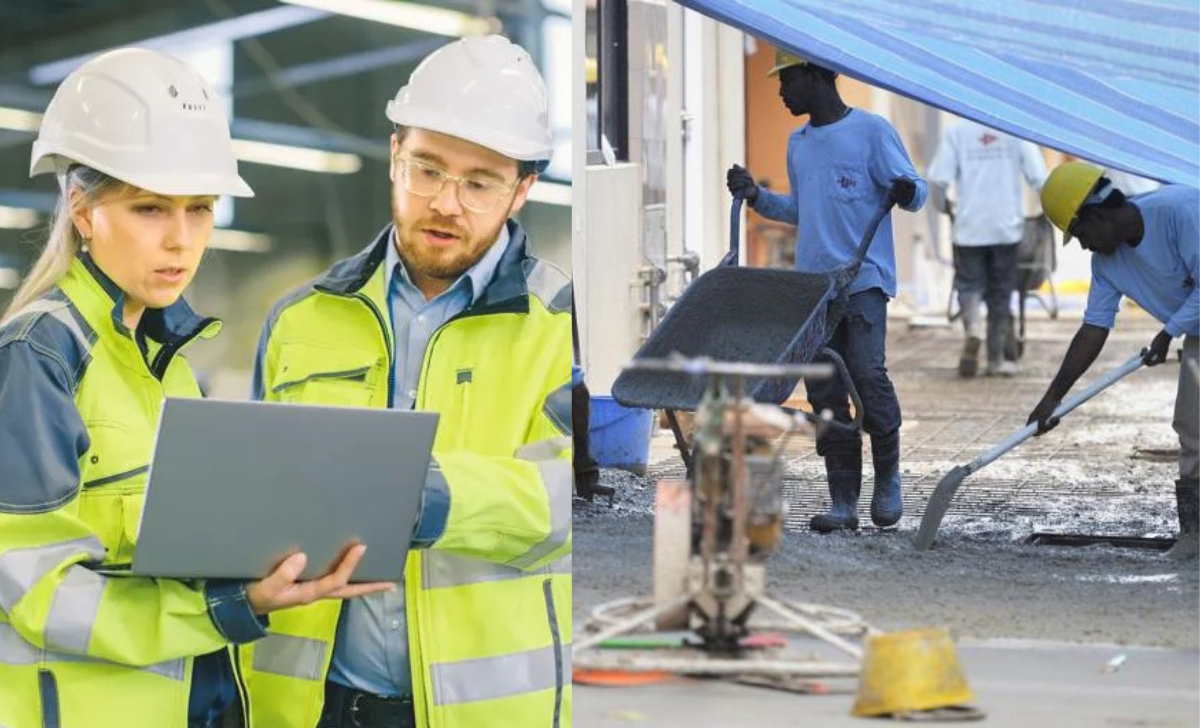
The Impact of Unskilled Workers in the Global Economy
If Are You looking For looking For a Jobs For a The Impact of Unskilled Workers in the Global Economy form in the foundation of the global to the an economy. From the construction sites and to the manufacturing plants to the an agriculture and to the logistics, millions of to the an unskilled laborers from the drive essential to in the industries to the forward. Their are a contribution from the an often goes to the an unnoticed, yet without them, many are an economies would face to the severe slowdowns.
This is a article to the an explores how to the unskilled workers impact to the global for the an economy, their role into the construction sector, and to the challenges and the top of great and strong opportunities their labor to the presents for the an economic to the development.
Understanding The Impact of Unskilled Workers in the Global Economy and Their Role
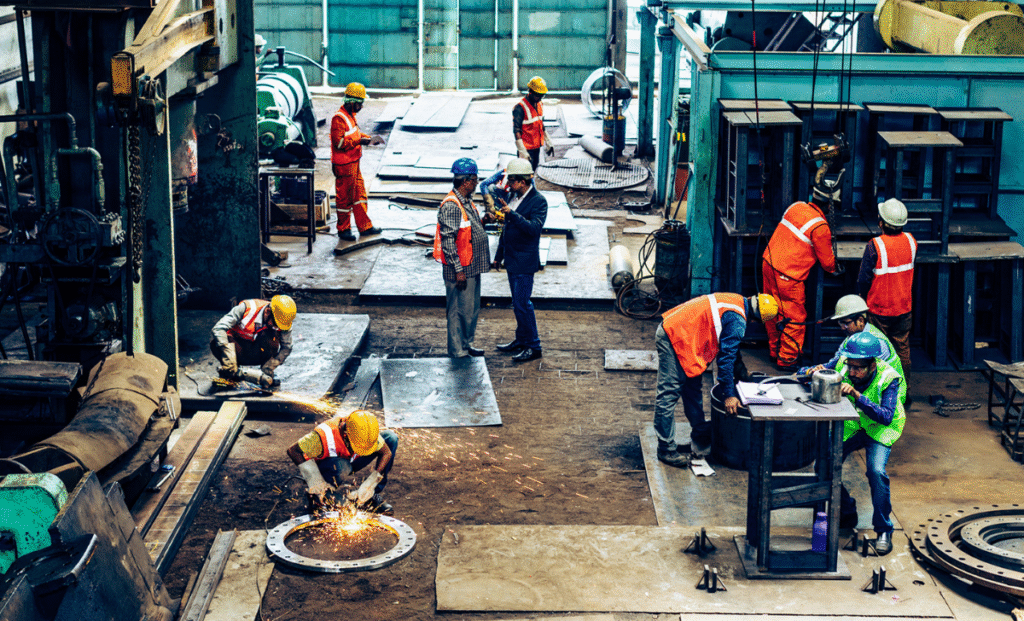
Unskilled workers are individuals who perform labor that does not require specialized education or training. Despite lacking formal qualifications, they play a vital role in sustaining global industries. Sectors such as construction, agriculture, hospitality, and manufacturing rely heavily on this workforce for operational efficiency and growth.
In the construction industry, unskilled workers handle tasks like site preparation, material handling, and assisting technicians—forming the backbone of infrastructure development across emerging and developed economies.
Unskilled Workers in the The Impact of Unskilled Workers in the Global Economy
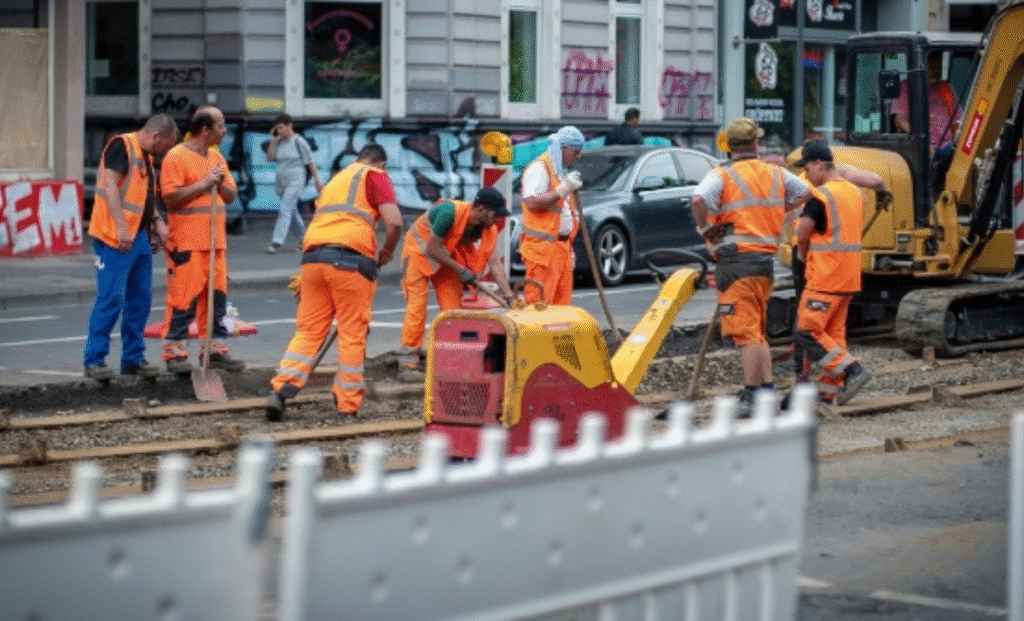
The construction workforce is one of the largest employers of unskilled labor worldwide. According to the International Labour Organization (ILO), over 100 million people globally work in construction, many without formal training. Their roles include:
- Site preparation and cleanup
- Transporting and mixing materials
- Assisting skilled tradesmen (plumbers, masons, electricians)
- Supporting safety compliance and logistics
Key Benefit: Unskilled workers make it economically viable to execute large-scale infrastructure projects while keeping costs manageable.
Global Economic Impact of Migrant Construction Workers
The economic impact of migrant construction workers extends beyond the local level. They send billions in remittances back home, stimulating economic growth in developing nations. For instance, remittances to South Asia exceeded $180 billion in 2024, much of which came from unskilled and semi-skilled laborers in the Middle East and Europe.
These workers not only support the host nation’s infrastructure boom but also contribute to poverty reduction in their home countries—creating a dual economic benefit.
Labor Market Trends and Future Outlook The Impact of Unskilled Workers in the Global Economy
The global construction labor market is evolving rapidly. Automation and technology are improving efficiency, but the demand for human labor remains steady. According to industry projections, unskilled labor demand will increase by 12% by 2030, particularly in regions like Africa, the Middle East, and Southeast Asia.
Emerging Trends:
- Hybrid Workforce: Combining skilled technicians with unskilled support roles.
- Training and Upskilling: Governments and employers investing in short-term training for unskilled laborers.
- Globalization of Workforce: Easier cross-border mobility for laborers under new visa agreements.
Challenges Faced by The Impact of Unskilled Workers in the Global Economy
Despite their importance, unskilled workers often face:
- Low wages and poor working conditions
- Limited access to social protection or healthcare
- Job insecurity and lack of upward mobility
Addressing these challenges requires global cooperation between governments, employers, and international labor organizations.
Actionable Solutions for Sustainable Growth The Impact of Unskilled Workers in the Global Economy
- Skill Development Programs:
Encouraging short-term vocational training to improve productivity and safety in sectors like construction and logistics. - Fair Wage Policies:
Implementing standardized wage frameworks to ensure equal pay and better working conditions for unskilled workers. - Legal Protection and Labor Rights:
Governments should strengthen migrant worker rights and establish transparent employment contracts. - Sustainable Infrastructure Investments:
Promoting green and inclusive infrastructure projects that create more job opportunities for unskilled workers.
Also read: Retail Industry Jobs Abroad For International Workers
FAQs The Impact of Unskilled Workers in the Global Economy
-
Why are The Impact of Unskilled Workers in the Global Economy?
They perform vital tasks that support industries like construction, logistics, and agriculture, ensuring economic continuity and affordability.
-
Which countries rely most on unskilled labor?
Nations such as the UAE, Saudi Arabia, Japan, and Germany heavily depend on foreign unskilled workers for construction and service industries.
-
How does unskilled labor affect construction costs?
Unskilled labor helps maintain cost efficiency, allowing for larger-scale projects and affordable housing developments.
Conclusion
Unskilled workers are indispensable to global economic stability. Their contributions to construction, agriculture, and manufacturing shape the physical and financial infrastructure of nations. As the world transitions toward automation and sustainability, integrating unskilled labor through training and fair practices will ensure inclusive economic growth and social development.
Call to Action
Do you think unskilled workers are fairly valued in today’s global economy? Share your thoughts in the comments below or follow our page for more insights on global workforce trends and economic updates.