
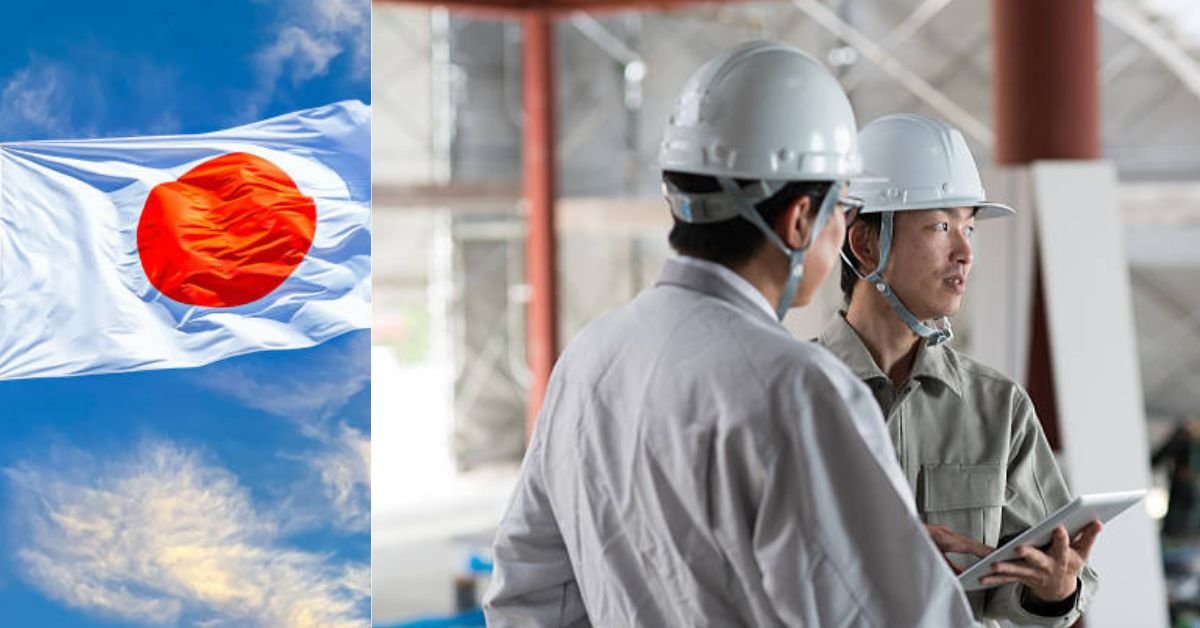
Japan Specified Skilled Worker Visa 2026 Explained
Japan is opening its doors to a greater extent than ever. The Specified Skilled Worker (SSW), or Tokutei Ginou as it is locally referred to, has become a high stakes and high payoff entry point to foreign talent, in 2026. Since the government plans to open their doors to 1.23 million foreigners as a workforce by the year 2028, the 2026 revisions have turned this visa into a perennial labor solution into a permanent residence.
You may be an experienced technician or a graduate and seeking the first foreign break, but you find it difficult to remember the 2026 structure without understanding, which is your initial step towards a life in Japan.
New Industry Expansions and Sectors in 2026
As of 2026, Japan officially contracted the SSW thought to 16 main manufacture sectors in an effort to combat intense shortfall of labor in specialistic sectors.
- Automobile Transportation Sector: Mega addition to 2026! Taxi, bus, and truck drivers are now allowed to be employed as foreign nationals so long as they qualify in terms of safety and language.
- Railway Services: This new area includes all that involves track maintenance, building of electric facilities, and the operation of the trains.
- Forestry and Wood Industry: It has become a central industry that provides the prospects of forest management and processing of lumber.
- Logistics Warehousing/Resource Recycling: This will be incorporated under the manufacturing and transport categories to strengthen the supply chain and sustainability targets of Japan.
- SSW Type 2 Expansion: Type 2 (indefinite stay) has now been opened in 11 out of 16 sectors, such as Agriculture and Food Service.

Qualification and The Two-Test Rule
The majority of applicants wishing to be issued SSW Type 1 visa in 2026 will have to pass the Two-Test requirement. This guarantees that you are work-ready immediately you arrive.
- Japanese Language Proficiency: You have to pass the JFT-Basic or have to reach the JLPT N4 level. This demonstrates that you are able to cope with regular life and work communication.
- Prometric SSW Skills Test: You should pass a technical test of a computer based test in your specialization (e.g., the Food Service Skills Proficiency Test).
- The TITP Waiver: When you have successfully completed three years of Technical Intern Training Program (TITP) in a related field, then you are exempted of the two exams.
- Age Restrictions: The minimum legal age (18) is not as important, however, the hiring trend in 2026 focuses mainly on the 1835 age group as the new hires to occupy the entry-level skilled positions.
Application Roadmap: CoE to Work Start
The procedure to apply to Japanese visa is organized. This is now quickened by digital tracking in 2026, although document accuracy is now more vital than ever.
- Get an offer of employment: You need to be contracted with a Japanese Accepting Organization.
- Certificate of Eligibility (CoE): This is applied by your employer in the Japanese Immigration Bureau. This is the most important document towards your visa grant.
- Registered Support Organization (RSO): Type 1 workers: In Type 1, you will have an RSO that will assist you in matters relating to Life Support, such as finding accommodation and opening bank accounts.
- Issue of Visas: You apply to your local Japanese Embassy when you already have your CoE.
- Social Insurance Compliance: There has been a new strict rule in 2026- renewal of your visa is based on proving that you do not owe any outstanding tax or pension rates.
Updates on Strategic 2026: What You Need to Know
The Japanese government is in the process of planning the introduction of the Employment for Skill Development(ESD) system in the year 2027. This implies that 2026 is a transition year.
- Job Change Rule of 180 days: 2026 reforms have made SSW more liberal to change employers within the same sector of industry in case of poor working conditions.
- Visa Fee Indexation: Expect to pay more in FY2026 when the Immigration Agency modernizes the digital infrastructure.
- Trend in Direct Hiring: More Japanese “blue-chip” firms are hiring through LinkedIn and specialized portals without using costly brokers.
FAQs
Will I be allowed to take my family on SSW Type 1 visa?
The worker only applies in most cases. In order to bring immediately a spouse or children, you are required to upgrade to the SSW Type 2 whereby you are required to take a more advanced skills test.
How can an SSW visa be obtained as fast as possible?
The shortest path is possessing a history of TITP (Technical Intern) experience since it exempts exams. Otherwise, the normal course of action is to take the JFT-Basic and Prometric tests in your native country.
Requirements of a university degree with the SSW visa?
No. The SSW unlike the visa of the Engineer/ Specialist in Humanities is skill based and not degree based.
Do you mean that I can switch employers in case I do not like my employer?
Yes. As of 2026, you will be allowed to change the employer so long as it is within the same line of industry (i.e., being transferred in another restaurant).
Does SSW visa have any maximum age?
No age limit exists in law, although you must be 18 years of age. Majority of the employers favour the candidates who are willing to serve the 5-year Type 1 term.
Final Thought
The visa changes in Japan in 2026 count as a New Deal of foreigners. When Japan entered into new fields such as Automobile Transport and facilitated the conversion to Type 2 status, it is letting you know that you are not only being sought after in the area of labor, but also as a full-fledged member of the Japanese society. Begin poring over language now, N4 is the important.
Disclaimer
The section is educational and instructive. It is recommended that one should verify the information of reputable sources, including Immigration Services Agency of Japan (isa.go.jp) or the Ministry of Foreign Affairs before reaching the decision